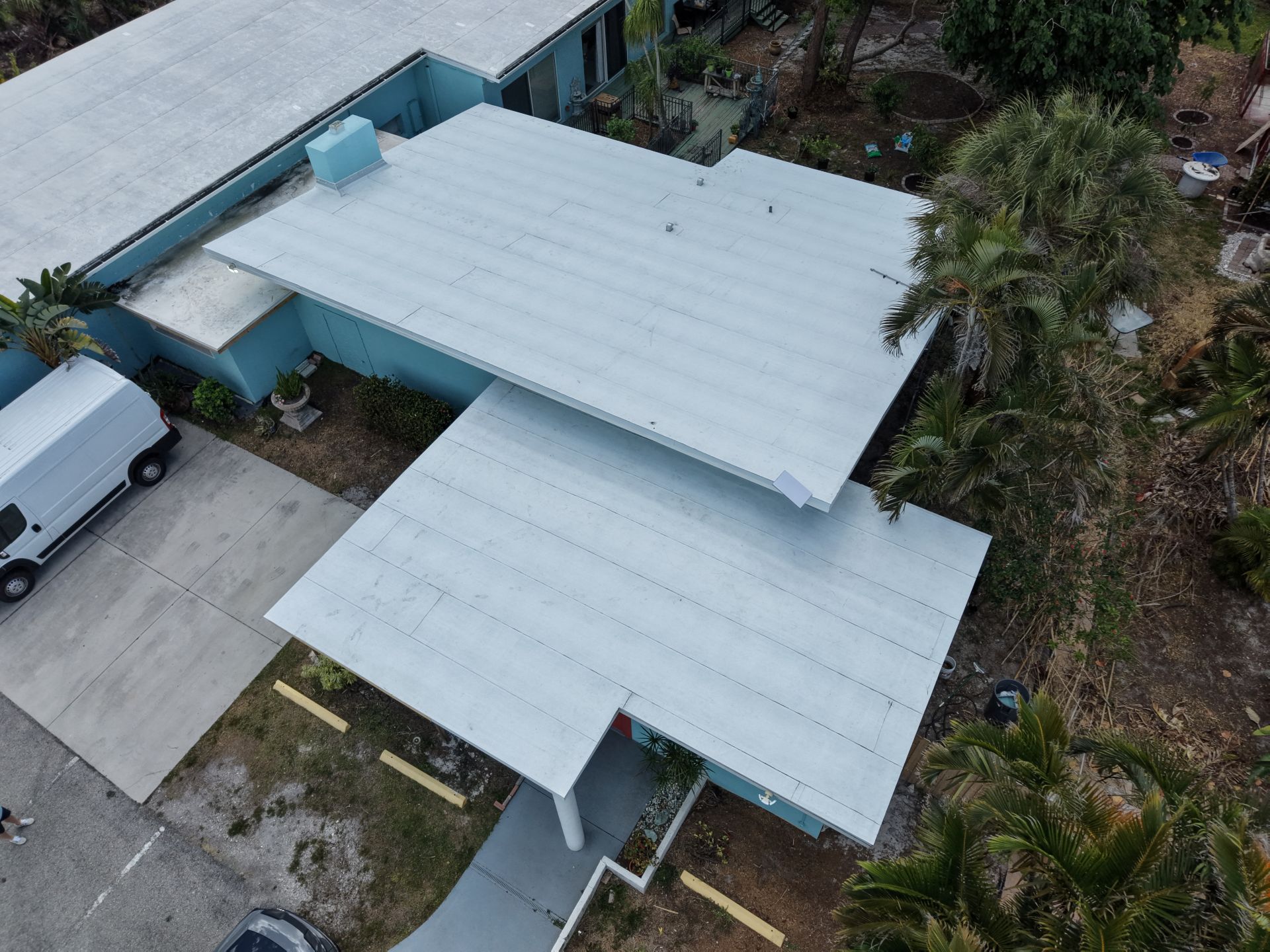
Targeted Fixes That Stop Water Entry
Flat Roof Repair in Bradenton for ponding areas and membrane failures causing interior ceiling damage
Ponding water on flat roofs accelerates membrane deterioration by keeping the surface constantly wet, which allows UV exposure to break down protective coatings and opens seams where water infiltrates the building. Membrane patches and seam repairs address localized failures without requiring full replacement, and those repairs restore waterproof integrity when caught before widespread delamination occurs. Silks Roofing performs leak detection on flat roofs in Bradenton by tracing water entry points back to their source, correcting flashing around penetrations, and applying reinforced patches that bond to existing membranes using heat-welding or compatible adhesives depending on the roofing system type.
Repair work identifies whether leaks originate from punctures, failed seams, or deteriorated flashing, and each problem requires a specific fix that matches the existing membrane material. Ponding issues often require drainage corrections such as adding scuppers or modifying slopes, which prevents future damage even after patches seal current leaks. Storm damage repairs happen quickly to prevent water from saturating insulation or decking, and preventative maintenance catches small problems like loose fasteners or minor membrane blistering before they expand into larger failures.
Schedule an inspection to locate active leaks and determine whether targeted repairs or broader membrane section replacement is appropriate.
Why Membrane Failures Happen and How to Stop Them
Leak detection on flat roofs involves infrared scanning or flood testing to identify moisture trapped beneath membranes, which shows up as temperature differences or areas where water penetrates when the surface is flooded. Seam failures typically occur where heat welds were incomplete during original installation or where thermal expansion has stressed the joint over time, and those areas are re-welded after cleaning and drying.
You notice after repairs that ceiling stains stop growing, ponding areas drain within hours instead of remaining wet for days, and the membrane surface lies flat without bubbles or lifted seams. Patched sections blend with surrounding material when proper techniques are used, and flashing around roof penetrations sits flush against the membrane with sealed edges that block moisture migration.
Fast repair response matters because water that penetrates flat roofs saturates insulation and rots decking, which turns a simple membrane patch into a structural repair project. Regular maintenance extends flat roof lifespan by addressing minor issues during dry periods rather than waiting for emergency leaks during storms, and those inspections document membrane condition for warranty compliance.

What Property Owners Usually Ask
Commercial and residential flat roof owners in Bradenton typically need information about repair scope, long-term effectiveness, and when replacement becomes necessary instead of continued patching.
How do you locate leaks on flat roofs when the entry point is not obvious?
Leak detection uses infrared cameras that show temperature differences where trapped moisture exists, or flood tests that isolate sections and apply water to identify the exact penetration point before any membrane is cut.
What causes ponding on flat roofs and how is it corrected?
Ponding results from inadequate slope, sagging decking, or blocked drains, and corrections include installing tapered insulation to create positive drainage, adding scuppers to provide secondary water outlets, or clearing debris from existing drains.
When does membrane patching provide a reliable fix versus temporary solution?
Patching works well for localized damage like punctures or small seam failures on otherwise sound membranes, but widespread blistering or delamination indicates the membrane has reached end-of-life and requires full replacement.
How quickly should storm damage repairs happen after a hurricane or severe thunderstorm?
Repairs should occur as soon as weather permits to prevent water from saturating insulation and decking, typically within one to three days, and temporary tarping may be used if permanent repairs cannot happen immediately.
Why do flat roofs in Bradenton require more frequent maintenance than sloped roofs?
Flat roofs accumulate debris that blocks drains and holds moisture against the membrane, and Florida's intense UV exposure degrades roofing materials faster than in northern climates, making annual inspections essential for catching problems early.
Silks Roofing provides comprehensive flat roof repairs including membrane patching, seam re-welding, and drainage corrections that address the root cause of leaks rather than applying temporary fixes. Contact us to arrange a leak detection assessment that identifies all problem areas and provides a detailed repair plan with cost-effective solutions.