
Repairs That Prevent Further Water Damage
Tile Roof Repair in Bradenton for broken tile, underlayment failure, and storm damage affecting tile roof systems
Broken and cracked tile replacement stops active leaks before water reaches the underlayment and roof deck, where damage spreads quickly in Florida's humid climate. Silks Roofing performs leak detection and repair on tile roofs across Bradenton, addressing storm damage, debris impact, and tile that has become brittle from decades of UV exposure. Properties experiencing ceiling stains, attic moisture, or visible broken tiles on the roof surface need immediate repair to prevent underlying structure deterioration that turns a simple tile replacement into a full underlayment or decking repair project.
Tile roof repair involves identifying the leak source by tracing water entry points, lifting surrounding tiles to inspect underlayment condition, and replacing damaged material before reinstalling sound tiles or installing new ones that match the existing profile. Matching existing tile profiles requires access to discontinued styles or custom fabrication in cases where original tile is no longer manufactured, which Silks Roofing coordinates through suppliers maintaining inventory of legacy profiles common in older Bradenton neighborhoods.
Arrange an inspection to identify compromised tiles and assess whether underlayment or flashing requires attention.
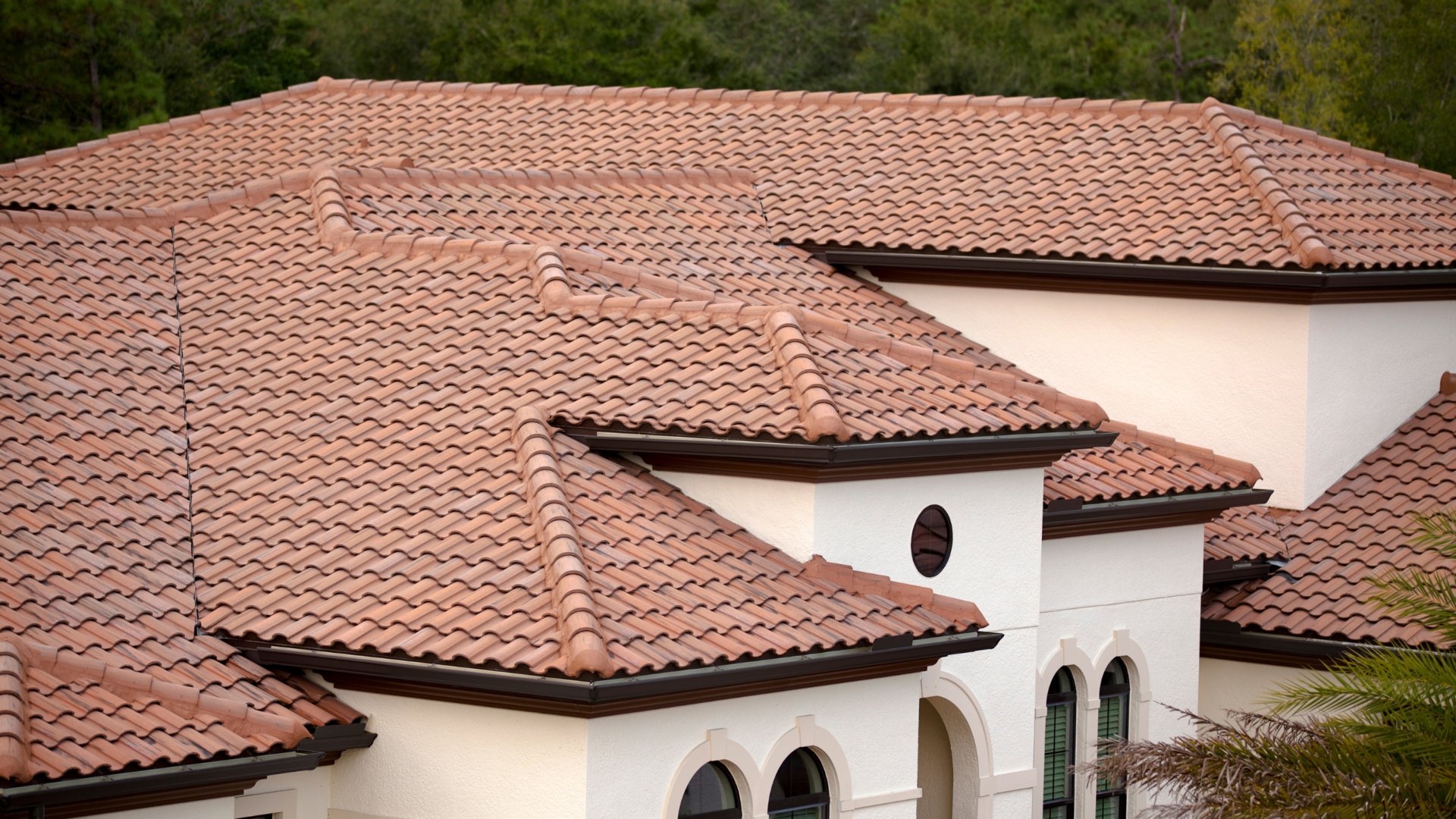
Why Tile Damage Happens and How to Stop It
Tile cracks when subjected to impact from falling branches, foot traffic during other roof work, or thermal shock when cold rain hits sun-heated tile during summer storms. Underlayment repairs become necessary when original felt-based materials deteriorate from prolonged heat exposure, or when improperly installed underlayment allows water to pool rather than shedding to the roof edge. Leak detection often reveals that water is entering at flashing transitions, valley intersections, or penetration seals rather than through the tile itself, which shifts repair focus to the waterproofing components beneath the visible roof surface.
After repairs are completed, replaced tiles blend with surrounding weathered tiles, water no longer penetrates at previously active leak sites, and underlayment beneath the repair area is restored to its original waterproofing function. Storm damage restoration includes documentation of pre-repair condition for insurance claims, removal of all compromised material, and installation of current-generation underlayment that exceeds the performance of original products installed decades earlier. The repaired section performs as well as the original roof when properly executed, with new tiles providing the same wind resistance and weather protection as tiles installed during initial construction.
Preventative maintenance solutions include scheduled inspections after storm events, valley cleaning to remove debris that dams water, and proactive replacement of tiles showing hairline cracks before they fail completely and allow water intrusion. Flashing repairs at chimneys, vent pipes, and roof-to-wall transitions address common leak points that develop as sealants age and metal corrosion creates gaps in the waterproofing system.
Questions Before Starting Your Project
Homeowners dealing with tile roof issues want to know whether repair is sufficient or if larger problems exist beneath visible damage.
What indicates that underlayment has failed rather than just the tile being broken?
Water stains on the underside of roof sheathing, sagging areas in the roof deck, or persistent leaks after tile replacement all suggest underlayment deterioration that requires lifting multiple tiles to access and replace the waterproofing layer beneath.
How are replacement tiles matched to existing roof tile that has weathered for decades?
Tile suppliers maintain color and profile databases for discontinued products, and in some cases new tiles can be artificially weathered using techniques that replicate the patina and color shift that occurs naturally over years of sun exposure in Bradenton.
When should multiple tiles be replaced even if only one appears broken?
Surrounding tiles often have micro-cracks or stress damage from the same impact or storm event, and replacing the damaged cluster prevents callbacks for adjacent tiles that fail weeks later after absorbing water through undetected cracks.
What causes tiles to break in the absence of obvious storm damage or falling debris?
Foot traffic from satellite installers, HVAC technicians, or pressure washing contractors commonly cracks tiles, as does improper original installation where tiles were over-torqued during fastening or lack adequate support from battens or underlayment.
How long does underlayment last beneath tile roofs in Florida's climate?
High-temperature synthetic underlayment designed for tile applications typically lasts 30 to 40 years, while older felt-based products deteriorate in 15 to 20 years due to heat buildup beneath tile that accelerates material breakdown.
Silks Roofing provides detailed repair estimates that separate tile replacement costs from underlayment or structural work, allowing you to understand exactly what repairs address. Contact us to schedule a roof inspection and receive documentation suitable for insurance review if storm damage is involved.