
Multi-Material Roofs for Architectural Complexity
Luxury Estate Roofing Solutions in Bradenton for large homes with custom roof designs combining tile, metal, and specialized flashing details
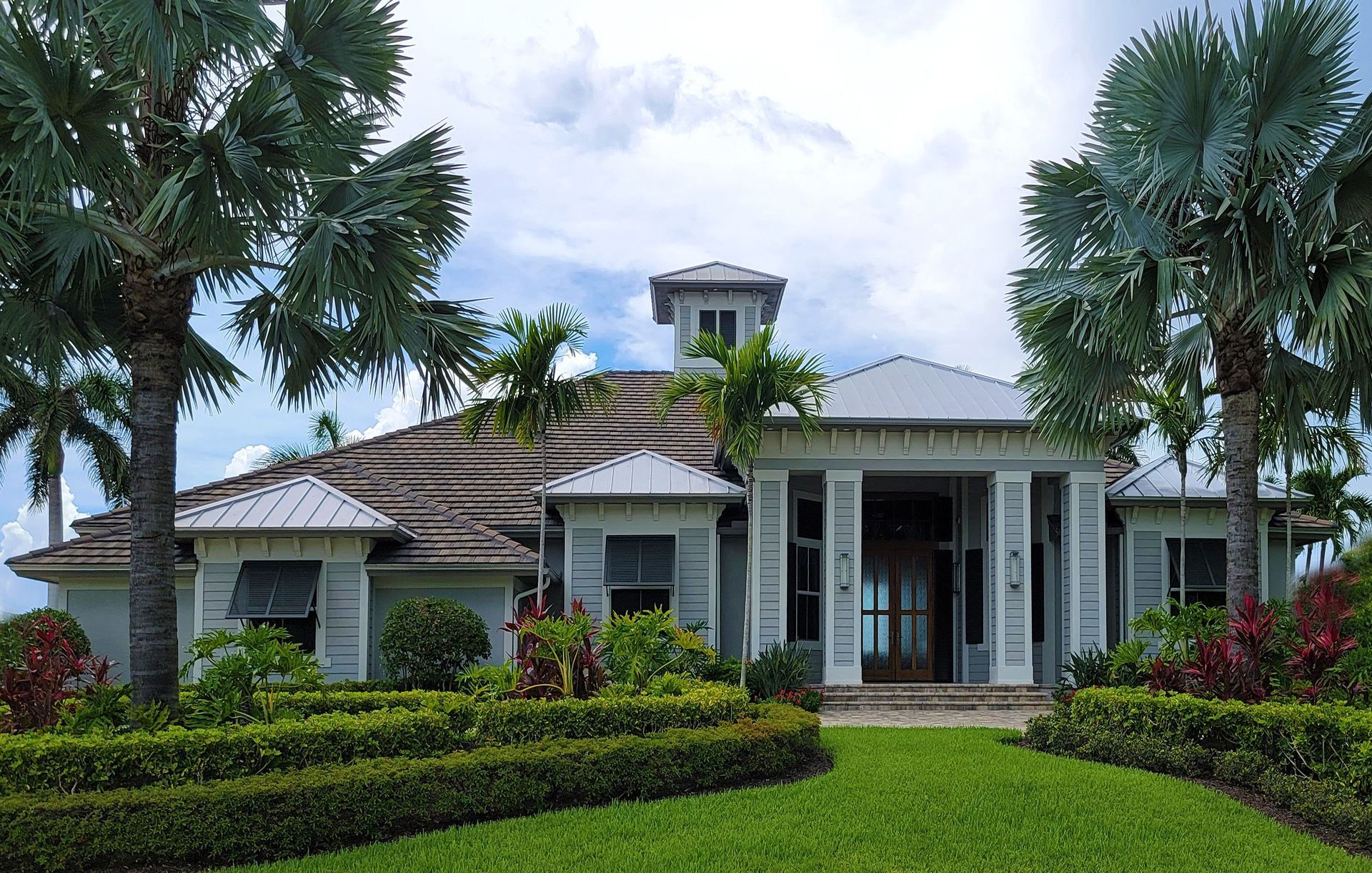
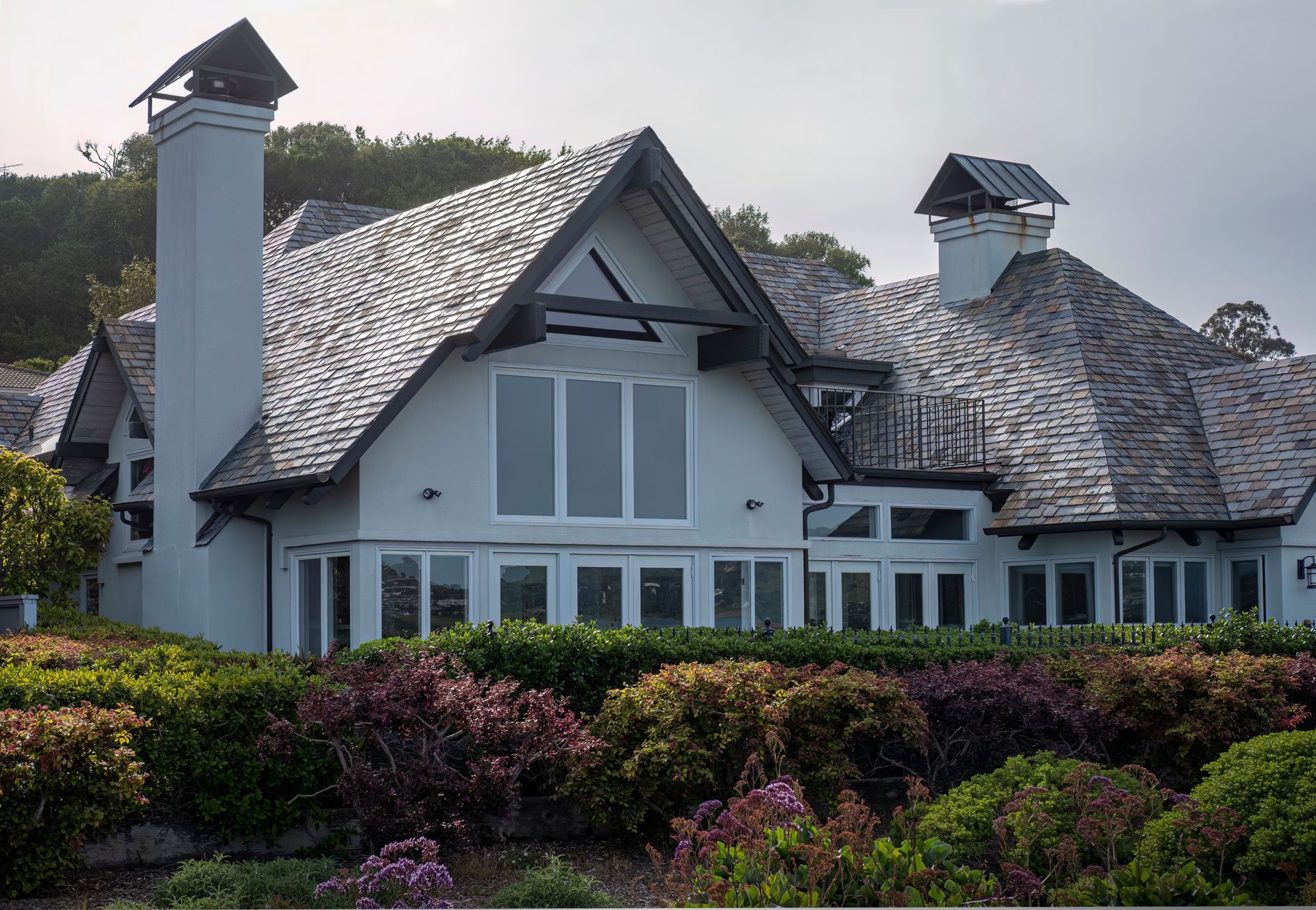
Large estate homes often feature roof planes with multiple pitch transitions, tower elements, dormer clusters, and eyebrow details that require different roofing materials working together within a single architectural composition. Custom roofing systems address these design demands by integrating tile for primary slopes, standing seam metal for steep or curved sections, and specialty materials for accent features. Silks Roofing designs and installs multi-material roof systems for Bradenton luxury properties where architectural detail and high-performance weather protection must coexist without compromising either objective.
The process involves matching material choices to the functional demands of each roof section—tile performs well on moderate-pitch primary planes but becomes impractical on slopes steeper than 12:12, where metal provides better performance and lower weight load. Architectural roofing details like copper or zinc accents require isolation from dissimilar metals to prevent galvanic corrosion, and transitions between materials need custom flashing designs that maintain waterproofing while respecting the aesthetic intent of the architectural drawings.
Schedule an exclusive roofing consultation to review your architectural plans and discuss material integration strategies for complex roof geometries.
What Changes After Multi-Material Systems Are Installed
Each material section functions according to its design intent—tile areas provide the mass and texture that define Mediterranean or Spanish Colonial aesthetics, metal sections offer concealed fastening and clean lines for contemporary elements, and specialty flashing creates crisp transitions that emphasize rather than hide material changes. Premium craftsmanship shows in the precision of rake edge details, the uniformity of tile coursing across large unbroken planes, and the invisible integration of ventilation components into the overall roof composition.
Once the system is complete, the home presents a cohesive exterior appearance despite using multiple roofing materials, because color coordination, profile compatibility, and detail execution unify the separate components. You'll notice that water management works seamlessly—valleys direct runoff without staining, roof-to-wall transitions shed water away from stucco or masonry surfaces, and gutters receive properly directed flow from all roof sections. The roof also performs quietly during rain events because properly installed tile and metal don't rattle, flex, or amplify sound transmission into interior spaces.
High-performance weather protection comes from layered defense strategies: underlayment systems that function as secondary water barriers, flashing assemblies that account for differential material movement during temperature swings, and fastening patterns engineered for Florida's wind exposure categories. Large estate roofs also incorporate maintenance access considerations, because future repairs or cleaning require safe pathways across fragile tile sections and steep metal slopes.
Common Questions About This Service
Owners of luxury estates in Bradenton often ask about design feasibility, material longevity, and how multi-material systems handle Florida's coastal weather and intense UV exposure.
What happens during the design consultation process?
Consultations involve reviewing architectural elevations, identifying roof sections suited to specific materials, discussing color and profile options, and developing flashing details for material transitions.
How do different roofing materials age when used together?
Tile, metal, and specialty materials age at different rates—concrete tile can last 50 years, metal roofing 40 to 60 years, and composite materials 25 to 40 years—which requires planning for phased replacement or selecting materials with comparable lifespans.
Why do complex roofs require specialized installation crews?
Multi-material systems demand expertise in tile layout, metal panel fabrication, copper soldering, and custom flashing—skills that rarely exist within a single crew, requiring coordination between specialized installers.
When should estate roofs be inspected after installation?
Initial inspections occur after the first rainy season to verify that all drainage paths function correctly and that no settlement or movement has affected flashing integrity, with subsequent inspections every two to three years.
How does Bradenton's humidity affect material selection for luxury roofs?
High humidity accelerates algae growth on tile and promotes corrosion on improperly isolated metal components, making material compatibility and protective coatings critical factors in system design.
Silks Roofing designs custom roofing solutions for Bradenton's luxury estates where architectural vision requires more than single-material applications. Contact us to discuss how multi-material systems can achieve your design goals while delivering the weather protection your property requires.