Inspections That Identify Problems Before Leaks Start
Roof Inspections & Preventative Maintenance in Bradenton for tile and metal roofs requiring documented condition assessments and leak prevention
Tile displacement from thermal expansion cycles and fastener corrosion in metal roof systems create failure points that remain invisible from ground level until water intrusion damages interior finishes. Comprehensive roof assessments examine these vulnerability areas—loose or cracked tiles, lifted metal panel seams, deteriorated flashing sealants, and clogged drainage components—before they allow water penetration. Silks Roofing conducts roof inspections across Bradenton for homeowners managing luxury properties where proactive maintenance extends system lifespan and prevents emergency repairs during storm season. You receive detailed reporting that documents current conditions, identifies areas requiring attention, and establishes a maintenance timeline based on observed wear patterns.
The inspection process involves walking the entire roof surface to check tile attachment security, examining metal panel fasteners for backing-out or corrosion, testing flashing adhesion at wall and penetration transitions, and clearing debris from valleys and behind parapet walls. Storm damage inspections specifically look for wind-lifted tiles, impact damage from tree limbs or airborne objects, and water stains on underlayment that indicate compromised waterproofing even when the finish roofing appears intact.
Schedule a comprehensive roof assessment to document your roof's current condition and receive a prioritized maintenance plan.
What Proper Roof Evaluations Accomplish
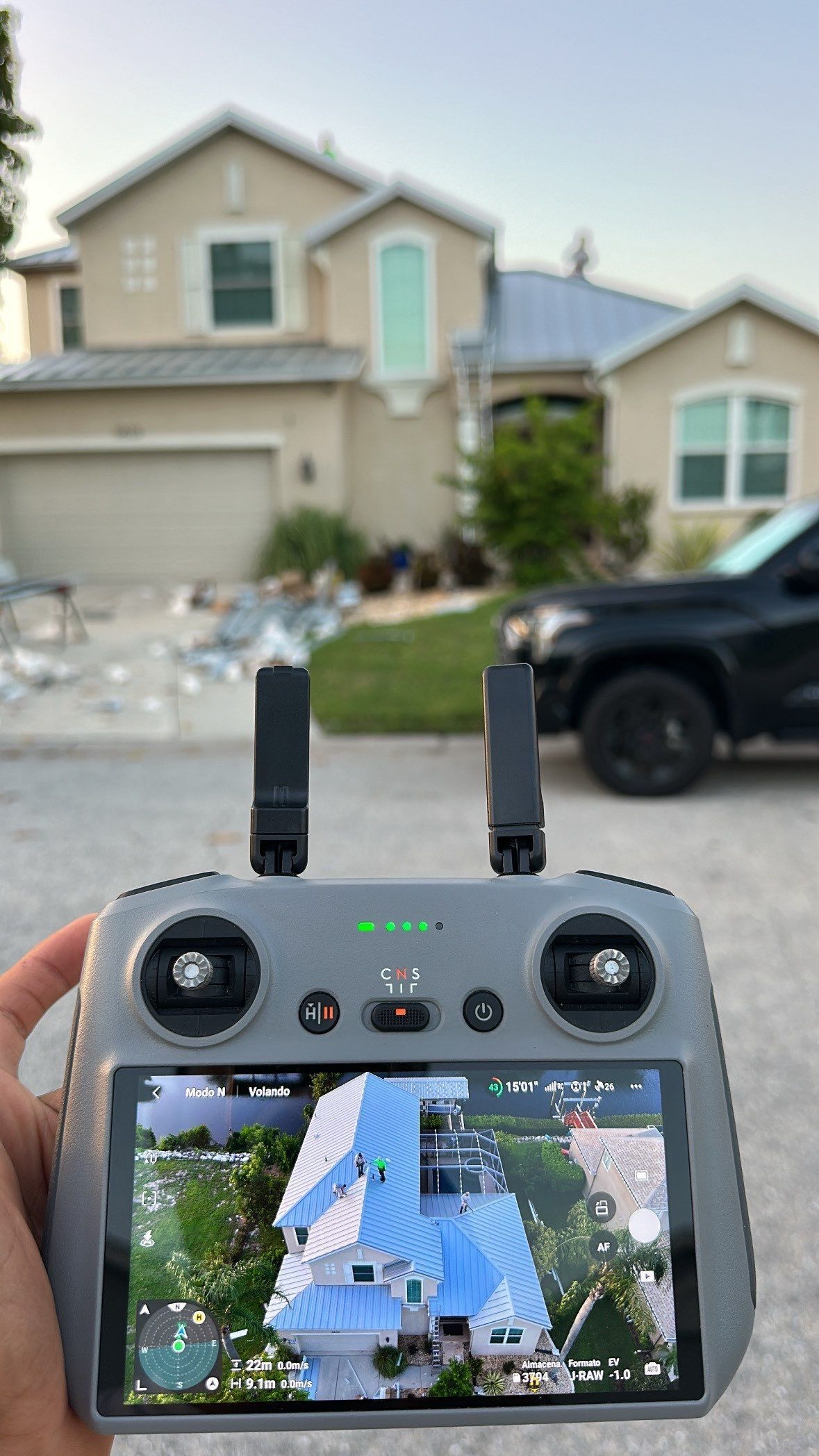
Tile roof evaluations identify individual tiles with hairline cracks that will fail during the next thermal stress cycle, bedding mortar that has separated from ridge caps, and valley tiles that have shifted out of alignment. Metal roof evaluations check that panel clips still provide proper hold-down force, that fastener washers haven't compressed to the point of seal failure, and that expansion joints allow for thermal movement without stressing seams. Detailed reporting includes photos of problem areas, measurements that quantify displacement or damage, and recommendations ranked by urgency.
After preventative maintenance work completes, you'll notice that displaced tiles sit flush again, that previously visible gaps at flashings are sealed, and that gutters drain freely without overflow during heavy rain. The roof performs as designed because small problems get addressed before they cascade—a single cracked tile gets replaced before it allows water behind the tile layer, corroded fasteners get swapped before panels lift in high wind, and separated flashing gets re-adhered before leaks develop in wall cavities.
Maintenance plans for luxury homes establish inspection frequency based on roof complexity and age—newer systems may only need biennial inspections, while roofs over 15 years old benefit from annual assessments that catch age-related deterioration early. Plans also account for post-storm inspections following hurricane events or severe thunderstorms, because wind and debris damage doesn't always show obvious signs but still compromises weather protection.
What Property Owners Usually Ask
Owners of high-end homes in Bradenton want to know what inspections involve, how often roofs need maintenance, and what specific issues affect tile and metal roofing in Florida's climate.
What gets examined during a comprehensive roof inspection?
Inspections evaluate the condition of finish roofing materials, flashing integrity at all transitions, fastener security, drainage function, ventilation performance, and evidence of past or present water intrusion.
How often should tile roofs be inspected in coastal areas?
Tile roofs in Bradenton benefit from inspections every two to three years under normal conditions, with additional inspections after named storms or when visible damage like cracked or displaced tiles is noticed from ground level.
What preventative maintenance extends metal roof lifespan?
Metal roofs require periodic fastener inspections to catch corrosion early, sealant replacement at panel overlaps every 10 to 15 years, and debris clearing from concealed drainage channels that can trap moisture and accelerate corrosion.
When should storm damage inspections be scheduled?
Storm damage inspections should occur within a week of significant weather events to document conditions accurately for insurance claims and to identify damage that might worsen before the next storm system arrives.
How does insurance documentation work for roof inspections?
Detailed inspection reports with photos, measurements, and damage descriptions provide the documentation insurance adjusters need to evaluate claims, particularly for wind and hail damage that isn't always obvious without close roof-level examination.
Silks Roofing provides roof inspection and maintenance services throughout Bradenton for homeowners protecting significant investments in premium roofing systems. Arrange an evaluation to establish baseline documentation and identify any areas needing attention before the next storm season.