
Roofs Designed for Florida Heat
Tile Roofing Installation in Bradenton for luxury residential properties requiring authentic clay or concrete tile systems
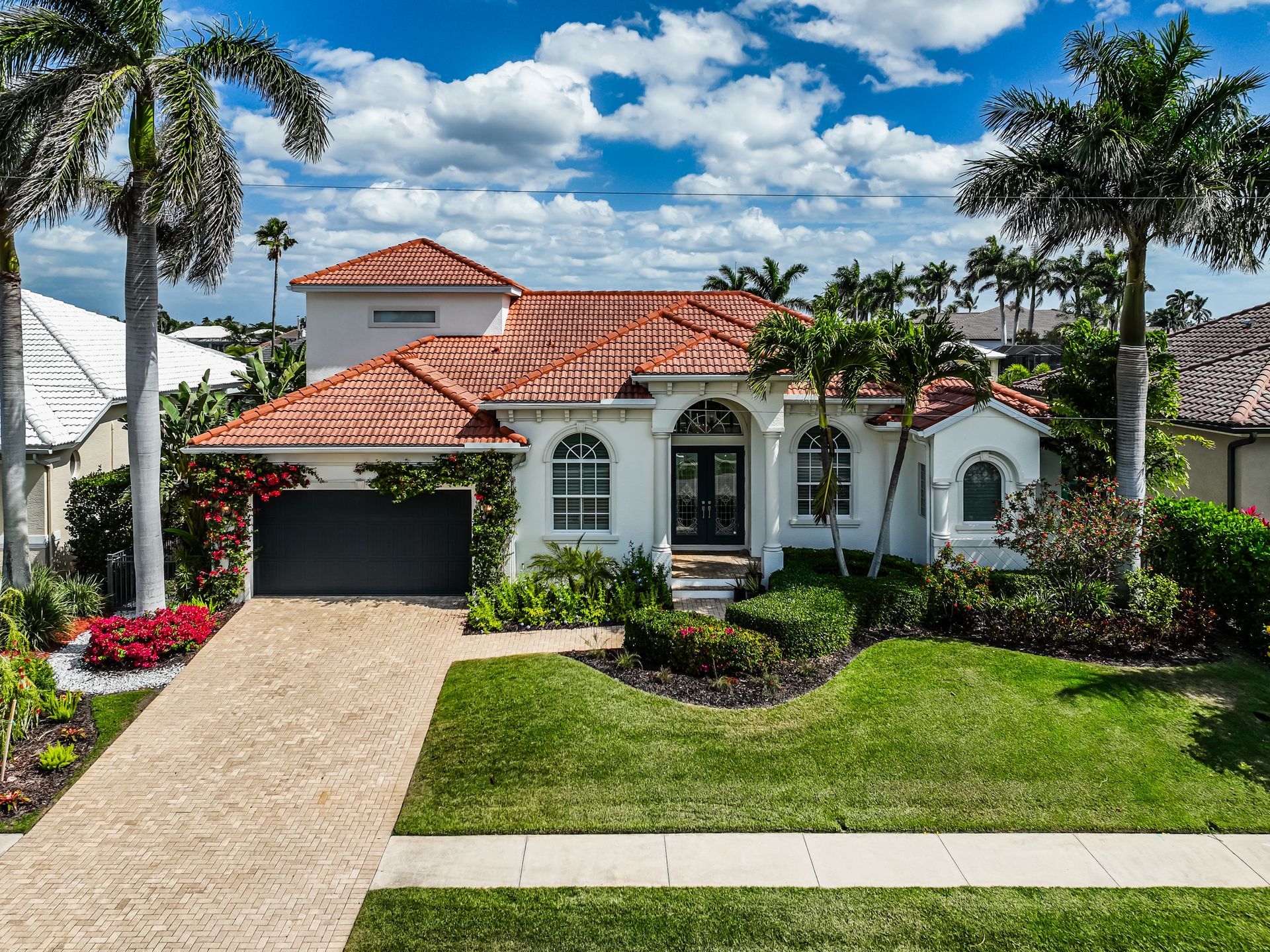
Clay tile roofing withstands Florida's intense sun and high humidity without deteriorating, cracking, or losing color the way organic and composite materials do over decades of exposure. Silks Roofing installs Mediterranean and Spanish-style clay and concrete tile roofs on new construction and reroofing projects throughout Bradenton, matching tile profiles to architectural styles that include barrel, flat, and interlocking designs. Homes designed with stucco exteriors, arched entries, or courtyard layouts require the visual weight and texture that only authentic tile roofing provides, and the thermal mass of tile reduces heat transfer into living spaces during afternoon sun exposure.
Tile roofing installation involves selecting underlayment with high temperature tolerance, battening the roof deck to create airflow beneath tiles, and setting each tile with fasteners or foam adhesive depending on roof pitch and wind exposure requirements. Custom tile selections allow matching of color, finish, and profile to specific architectural references, with options for aged or weathered appearance on new tile to suit restoration projects or historically inspired designs.
Request a consultation to review tile weight requirements and structural considerations for your property.
What Changes After Tile Installation Completes
Tile installation creates a roof surface with dimensional shadow lines, varied color tones within each tile, and a texture that changes appearance throughout the day as sun angle shifts. Concrete tile roofing provides similar aesthetic results at lower material cost, with modern manufacturing producing profiles and finishes that closely replicate traditional clay while offering higher impact resistance. Properly installed tile systems include hip and ridge closures, verge trim, and valley treatments that integrate flashing and waterproofing into the tile layout rather than relying on exposed metal components.
Once tile is installed, the roof becomes a permanent architectural feature that does not fade, warp, or require recoating, and individual tiles can be replaced if damaged without disturbing surrounding areas. Luxury residential applications benefit from the sound dampening tile provides during rain events and the fire resistance inherent in clay and concrete materials, which do not ignite or contribute to flame spread. The roof surface remains cooler to the touch than metal or shingle alternatives because tile's thermal mass absorbs heat slowly and ventilation channels beneath tiles allow airflow that carries heat away before it conducts into the attic space.
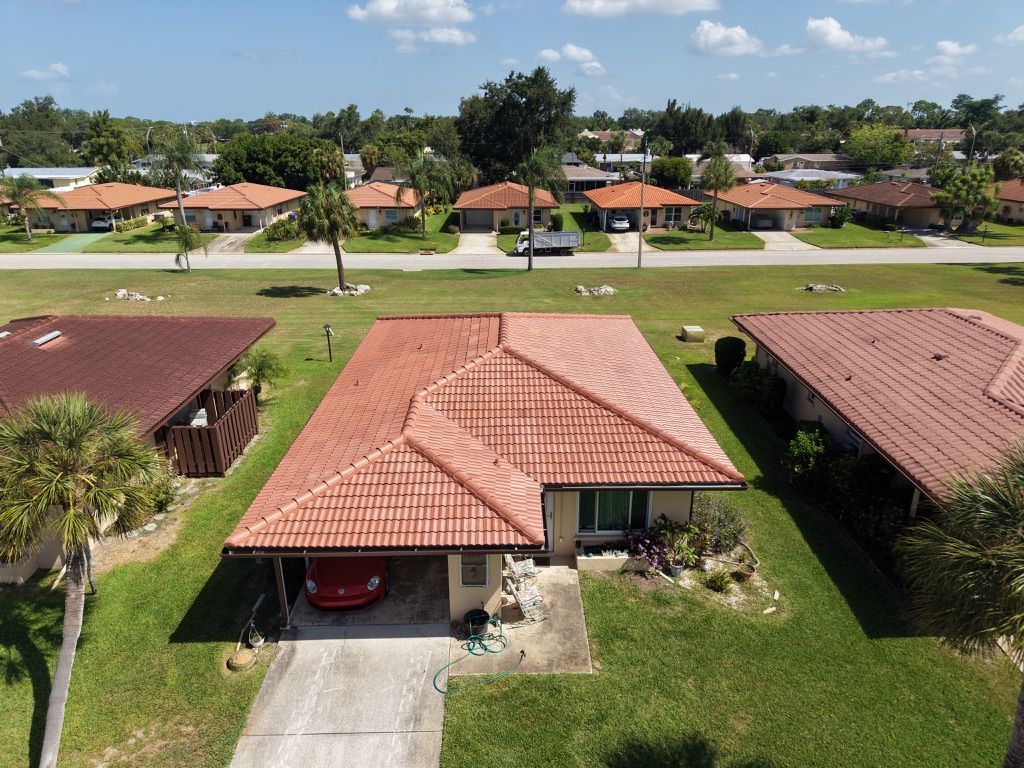
New construction projects allow tile selection and roof structure design to occur simultaneously, which ensures framing is sized for tile weight and roof pitch is optimized for the tile profile being installed. Reroofing projects require evaluation of existing structure to confirm adequate support, and in some cases may involve reinforcement or pitch modification to accommodate the transition from lighter roofing materials to tile.
What Property Owners Usually Ask
Clients investing in tile roofing want to understand installation complexity, long-term durability, and how tile performs in storms common to Bradenton.
What determines whether clay or concrete tile is recommended for a specific project?
Clay tile is denser, more color-stable, and traditionally preferred for high-end Mediterranean architecture, while concrete tile offers greater impact resistance, lower cost, and wider profile variety including flat and low-profile options that suit contemporary designs.
How is tile secured to prevent displacement during hurricane-force winds?
Tiles are mechanically fastened through pre-drilled holes or nose sections, and foam adhesive is applied at the tile tail to prevent uplift, with specific fastening patterns determined by roof pitch, tile weight, and local wind load requirements established by building code.
When should battening be used rather than direct tile installation over underlayment?
Battening creates an air gap that improves ventilation and extends underlayment life by preventing heat buildup, and is typically specified on low-pitch roofs where airflow would otherwise be restricted or where premium installations demand maximum system longevity.
What maintenance does tile roofing require after installation?
Tile itself requires no maintenance, though periodic inspections check for broken tiles from debris impact, verify that flashing remains sealed at penetrations, and clear valleys of leaf accumulation that can dam water if heavy vegetation overhangs the roof.
How does tile roofing perform during hail storms compared to other materials?
Clay and concrete tile resist hail impact better than asphalt shingles but can crack under severe hail exceeding one inch diameter, though cracked tiles are individually replaceable without affecting surrounding areas or requiring full roof replacement.
Silks Roofing sources tile from suppliers offering color consistency across production runs, which ensures that future replacement tiles match original installation even years later. Schedule a project review to see tile samples and discuss profile options suited to your home's design.