Roofing Built to Outlast Decades of Storms
Stone-Coated Steel & Metal Tile Roofing in Bradenton for coastal properties requiring wind-rated hurricane protection
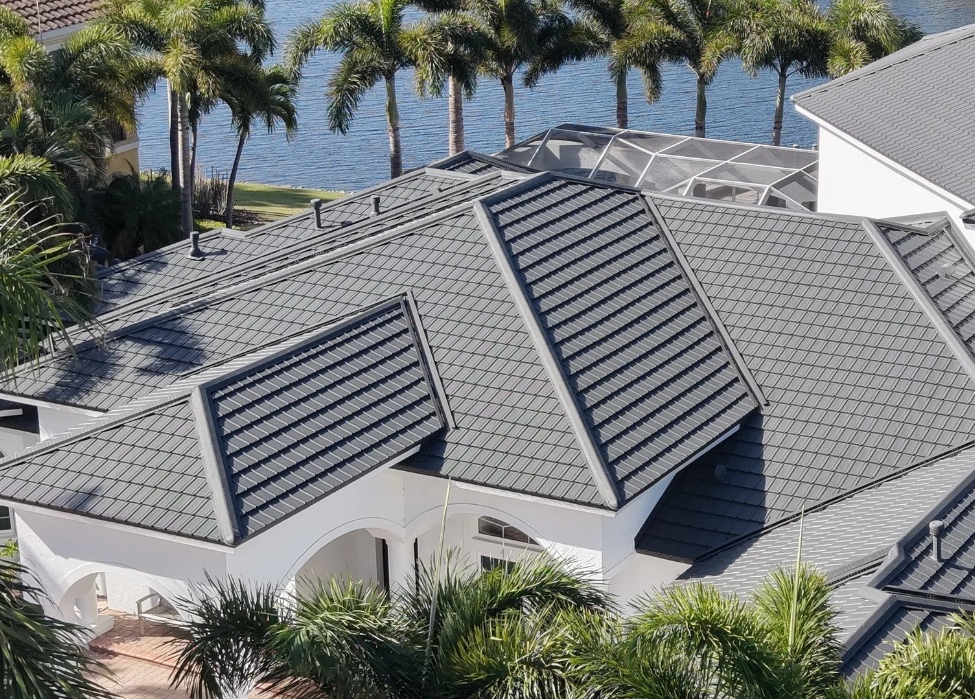
Silks Roofing installs stone-coated metal roofing systems engineered for Gulf Coast hurricane exposure, using premium profiles from Worthouse, Decra, and Unified Steel that combine the appearance of traditional shingles, shake, or tile with the structural performance of steel substrates. Properties in Bradenton face sustained wind events, salt-laden humidity, and intense UV radiation that degrade conventional asphalt shingles within fifteen to twenty years, while stone-coated metal systems carry lifetime durability warranties and wind-uplift ratings exceeding the thresholds required by Florida Building Code high-velocity hurricane zones. These systems weigh substantially less than concrete tile—often one-third the load—which eliminates the need for costly structural reinforcement on existing roof decks while delivering the same aesthetic profile homeowners prefer in coastal residential architecture.
The stone-coated metal roofing process layers acrylic-bonded ceramic granules over corrosion-resistant steel panels formed into profiles that replicate cedar shake texture, clay tile curves, or dimensional shingle patterns, providing ultraviolet protection and color retention that outlasts painted metal systems. Installation involves mechanically fastening interlocking panels to roof decking with concealed clips rated for wind speeds above 120 miles per hour, ensuring panels remain secured during storm surge and cyclonic wind conditions common to the Bradenton region during hurricane season.
Schedule a roof evaluation to determine which stone-coated metal profile meets your property's structural capacity and aesthetic requirements.
Why Lightweight Steel Profiles Perform in Coastal Conditions
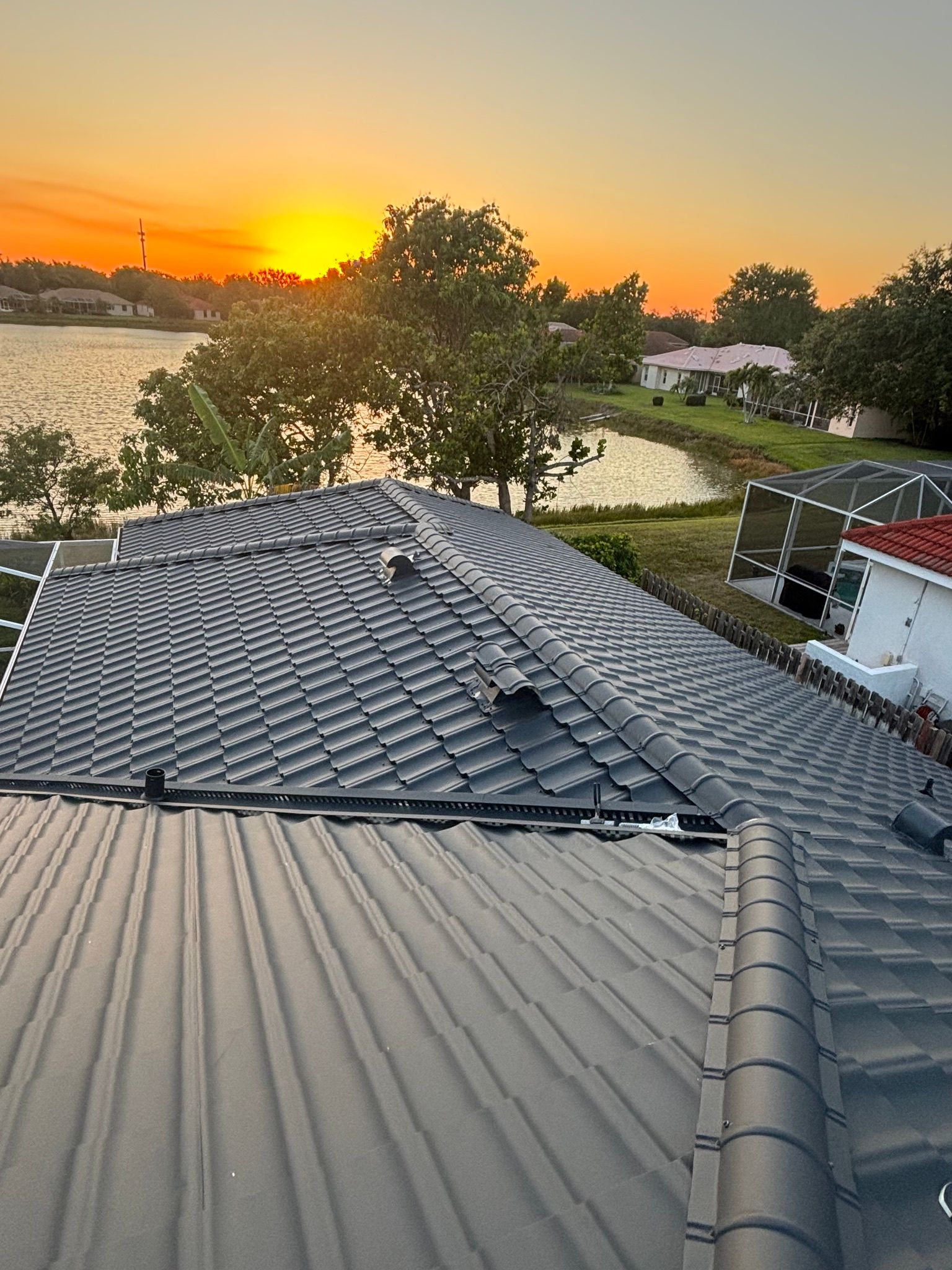
Stone-coated metal roofing from manufacturers like Worthouse and Decra uses Galvalume or zinc-aluminum alloy coatings beneath the stone layer, creating a barrier against saltwater corrosion that penetrates conventional galvanized steel within five to seven years of coastal installation. The interlocking panel design distributes wind loads across multiple fastening points rather than relying on exposed nail heads, which prevents the blow-off failures seen in three-tab shingles during sustained winds above seventy miles per hour.
After installation, you notice immediate resistance to thermal expansion noise—the stone coating absorbs and dissipates heat rather than allowing bare metal to expand and contract with temperature swings that cause the popping sounds associated with standing-seam metal roofs. The granulated surface also reduces glare, preventing the reflective heat buildup that raises cooling costs in Bradenton's summer months and creates uncomfortable indoor temperatures in second-story rooms.
Unified Steel panels include integrated ventilation channels that promote airflow beneath the roofing layer, reducing attic temperatures and extending the lifespan of underlayment materials that deteriorate rapidly in trapped heat conditions. The system requires minimal maintenance beyond periodic debris removal, as the stone coating prevents algae growth and the steel substrate does not rot, crack, or require sealing like wood shake or clay tile alternatives.
Questions Property Owners Ask Before Installation
Homeowners in Bradenton considering stone-coated metal roofing often ask about installation timelines, wind ratings, and how these systems compare to traditional materials in both cost and performance over decades of Gulf Coast weather exposure.
What wind-uplift rating do stone-coated metal systems achieve?
Panels from Worthouse, Decra, and Unified Steel are tested to withstand wind speeds between 120 and 190 miles per hour depending on profile and fastening schedule, exceeding the requirements for high-velocity hurricane zones in Bradenton and meeting or surpassing the performance of concrete tile at a fraction of the weight.
How does the weight of stone-coated steel compare to concrete tile?
Stone-coated metal roofing weighs approximately 1.4 to 1.8 pounds per square foot, while concrete tile weighs 9 to 12 pounds per square foot, meaning most homes can replace tile with metal profiles without structural reinforcement or truss modification.
What does the installation process involve for existing homes?
Installation begins with a deck inspection to identify and replace compromised sheathing, followed by synthetic underlayment application, then mechanical fastening of interlocking panels using concealed clips that engage the panel ribs and distribute wind loads across the entire roof plane.
How do stone-coated metal profiles resist saltwater corrosion in Bradenton?
The multi-layer system includes a corrosion-resistant steel core, a metallic coating that self-heals minor scratches, and an acrylic-bonded stone layer that shields the metal from direct salt exposure, preventing the rust-through failures common in coastal environments within the first decade of installation.
When should homeowners consider replacing their current roof with stone-coated metal?
Properties approaching the fifteen- to twenty-year mark on asphalt shingles, homes experiencing repeated wind damage requiring frequent repairs, and structures where tile weight has caused truss deflection or structural concerns all benefit from transitioning to lightweight, lifetime-rated metal systems.
Silks Roofing provides detailed material comparisons and wind-rating documentation during the consultation process, helping you evaluate which stone-coated metal profile aligns with your hurricane protection goals and budget. Request an on-site assessment to review your current roof condition and receive a material-specific proposal for Worthouse, Decra, or Unified Steel installation.