Stopping Leaks Before Interior Damage Spreads
Shingle Roof Repair in Bradenton for wind-damaged sections and active leaks compromising ceiling integrity
Shingles lifted by wind gusts allow water into the underlayment layer, which then travels along roof decking until it finds a gap to drip through into your attic or living space. Silks Roofing repairs shingle roofs throughout Bradenton by identifying compromised sections, replacing damaged architectural or designer shingles, and sealing entry points that allow moisture penetration. Wind damage often affects ridge caps and rake edges first because those areas experience the highest uplift forces during storms, and tarping provides temporary protection when emergency repairs cannot happen immediately due to weather conditions or material availability.
Repair work involves removing damaged shingles without disturbing surrounding intact sections, inspecting the underlayment for tears or deterioration, and installing replacement shingles that match your existing color and style. Impact-resistant shingles may be used in repair sections even if your original roof used standard shingles, which increases durability in the repaired area without requiring full replacement. Proper repairs include resealing the adhesive strips on adjacent shingles and ensuring nail patterns follow manufacturer requirements so the repair section performs as well as the original installation.
Arrange an inspection to assess leak sources and determine whether localized repair or broader section replacement is needed.
How Targeted Repairs Address Storm Damage
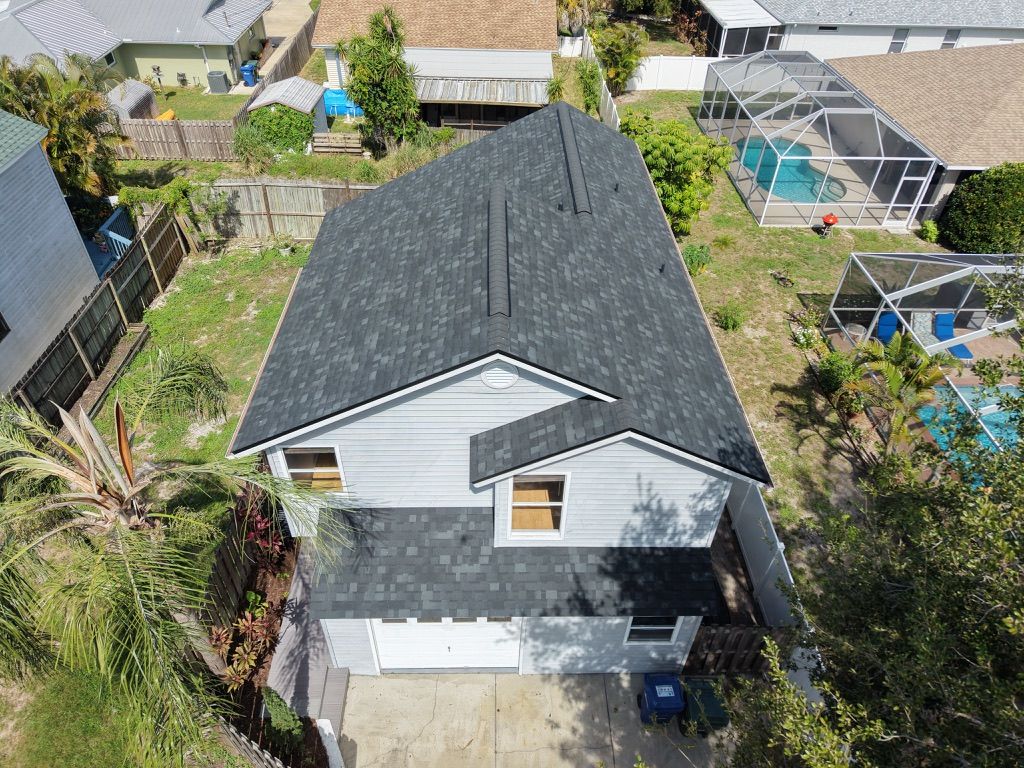
Storm damage assessment begins with locating lifted or missing shingles, checking flashing around penetrations for separation, and tracing water stains in the attic back to their roof entry points. Wind typically damages areas where shingle edges lack adequate sealant adhesion or where previous repairs used incorrect fastening techniques, and those sections fail first during high-wind events.
Once repairs finish, you see that ceiling stains stop expanding, attic insulation remains dry during rain events, and shingle lines appear consistent without obvious color mismatches or texture differences. Replaced sections lie flat against the roof deck without curling edges, and tarping—if it was needed—gets removed once permanent shingles are secured and sealed.
Repairs do not carry the same warranty coverage as full replacements, but workmanship guarantees typically cover the specific sections addressed, and matching materials closely to existing shingles minimizes visible differences. Premium designer shingles may require ordering specific dye lots to achieve color consistency, which adds time to the repair process but ensures the finished work blends with surrounding areas.
Common Questions About This Service
Property owners facing shingle damage usually ask about repair scope, material matching, and whether additional problems will surface after work begins.
What happens during a leak inspection?
The roof surface is examined for obvious damage, attic spaces are checked for moisture trails and wood discoloration, and water tests may be conducted to confirm the leak source before any shingles are removed.
How do you match existing shingle colors?
Samples are taken to suppliers for dye lot matching, and when exact matches are unavailable, repairs focus on less visible roof sections or transition areas where slight color variation is less noticeable.
When does repair make sense versus full replacement?
Repair is appropriate when damage is localized to specific sections, the roof is less than halfway through its expected lifespan, and the majority of shingles remain intact with good granule retention.
Why do some leaks appear far from the actual roof damage?
Water enters at the damaged point but travels horizontally along underlayment or roof decking until it finds a seam or nail hole to drip through, which means ceiling stains in Bradenton homes often show up several feet away from the true entry point.
How quickly can emergency tarping happen after storm damage?
Tarping typically occurs within 24 to 48 hours depending on weather conditions and service demand, and it involves securing waterproof material over damaged sections to prevent additional water intrusion until permanent repairs can be completed.
When wind damage affects your roof, Silks Roofing responds with tarping services and detailed damage assessment to determine repair scope. Contact us to schedule an evaluation that identifies all compromised areas and provides a clear repair plan with material specifications.